Email is still one of the channels with the best return for small businesses: the list is yours (it doesn't depend on algorithms), it lands straight in the inbox and it costs little. The problem is that, in most companies, the newsletter goes out “when there's time”, which means almost never.
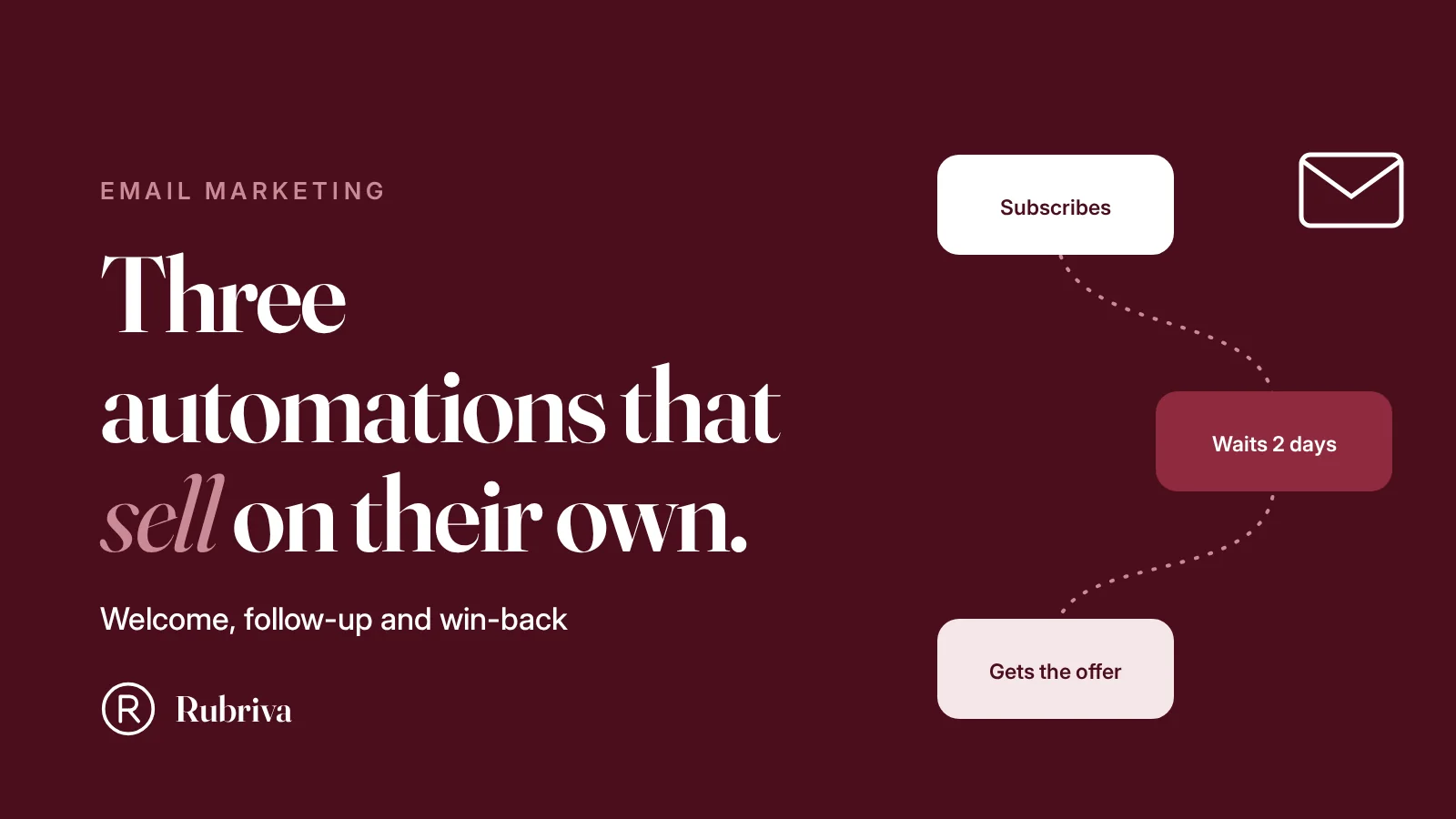
Automations solve this. They're sequences of emails that send themselves when something happens: someone subscribes, receives a quote, stops buying. You set them up once and they work every day.
1. Welcome sequence
When it starts: someone subscribes to your newsletter or downloads a guide from your website.
This is when people are most interested in your brand, and welcome emails tend to be among the most opened. A simple sequence:
- On the same day: deliver what you promised (the guide, the discount) and say what they'll receive and how often.
- Two days later: tell the story of your business and what sets it apart, with a real photo of the team.
- Five days later: introduce your most popular product or service, with a clear call to action.
2. Quote follow-up
When it starts: you send a proposal to a customer.
Many proposals aren't turned down: they simply get forgotten in the inbox. An organised follow-up wins some of them back:
- On day three: ask whether they have any questions and offer a 10-minute call.
- On day seven: share a similar case or a testimonial from a customer in the same sector.
- On day fourteen: a final short message that leaves the door open.
These emails can come from your CRM or be reminders for the team to send personally. What matters is that nobody forgets.
3. Customer win-back
When it starts: a customer hasn't bought anything for 90 days (or whatever period makes sense for your business).
Winning a new customer costs considerably more than keeping one who already trusts you. The win-back sequence reminds people who already know you:
- Something useful and new: a new service, a relevant time of year, a tip.
- An invitation with a deadline: a priority booking, a special condition until the end of the month.
- An honest question: “does it still make sense for you to receive our emails?”. Keeping your list clean improves the deliverability of everything else you send.
Rules to stay out of trouble
- Consent: under Portuguese law and the GDPR, you may only send marketing emails to people who have given consent or to customers who have already bought similar services, provided you gave them the option to refuse.
- One-click unsubscribe: every email must have a link to stop receiving them.
- A recognisable sender: use your company's name or a real person's, and an email address on your own domain (not Gmail).
- Domain authentication: ask whoever manages your email to set up SPF, DKIM and DMARC; without them, many emails end up in spam.
Where to start
If you don't have any automation yet, start with the welcome sequence: it's the simplest and the quickest to show results. Then the quote follow-up, which has a direct impact on sales.
Rubriva sets up branded email automations, from the first email to the results report. Ask us for a free audit.